
The Hotelia Dispatch
Why Your Guest List Is the Most Valuable Asset Your Hotel Owns
How independent hotels can own their guest data, organize it, and use it to run a smarter hospitality business.
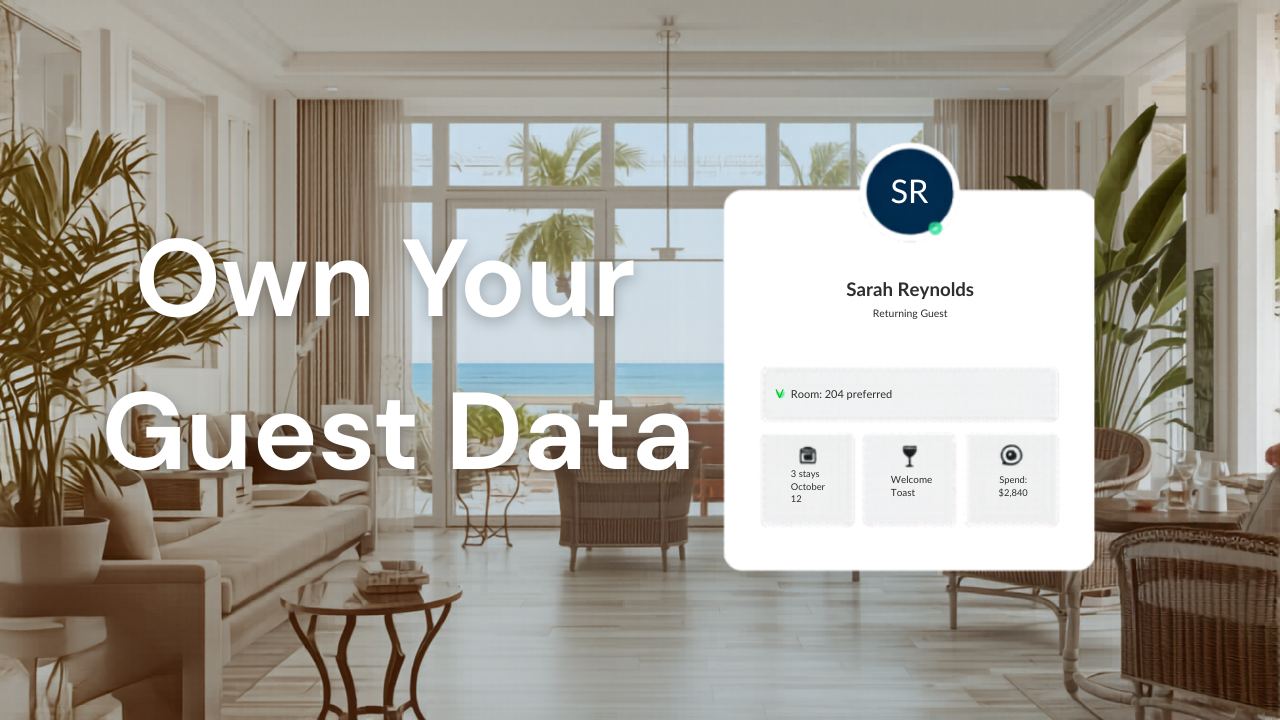
Every hotelier already knows their guest list matters. The team feels it when a regular walks back through the door. The owner sees it in the bookings that come from word of mouth, the referrals, the guests who keep coming back year after year.
The harder question is what to do with that knowledge.
A property that owns its guest list owns its future bookings.
A guest list only pays off when the property actually owns it, keeps it organized, and puts it to work. For a lot of independent hotels, that is where things get stuck. The data is scattered across reservation systems, OTA dashboards, sticky notes at the front desk, and one or two staff members who happen to remember the regulars.
This post is about closing that gap. Not the case for guest data, that case is already made, but the practical side. How to own it, organize it, and use it to run a smarter hospitality business in a digital era.
The Digital Shift Independent Hotels Cannot Ignore
Guests today book differently than they did even five years ago. They research with AI. They expect a hotel to know them when they return. They notice when a property gets the small things right and when it does not.
The hotels that keep up are the ones using digital tools to work smarter, not harder. They are turning every stay into structured guest insight. They are using that insight to prepare for arrivals, anticipate needs, and earn loyalty without a giant team or a giant budget.
This is what owning your guest data unlocks. Not just commission savings. A modern, scalable way to run a hospitality business.
What Hotels Actually Lose When They Do Not Own Guest Data
When a guest books through a third-party platform, the platform keeps the relationship. The hotel sees a name, a reservation, and a payout. That is it.
No email. No stay history. No preferences. No record of the bottle of wine they ordered on their anniversary. No way to reach them again without paying for them again.
That last part is the real cost. Every return guest who books through an OTA pays the hotel a commission to reach someone the property has already won. The same guest, twice over, with the platform sitting between both transactions.
Over a few years, that adds up to a meaningful share of revenue that should have gone to the property.
What to Actually Do With Your Guest Data
Collecting data is step one. The value comes from putting it to work. Here is how to turn a guest list into a competitive advantage.
Prepare for the Stay Before the Guest Arrives
A returning guest checking in should never feel like a first time visit. Pull up their last stay before they walk through the door. Note the room they loved, the wine they ordered, and the time they preferred breakfast. Brief the team.
When the guest arrives, the property already knows them. That is the kind of welcome that turns a stay into a story they tell other people.
Know Your Guests as Real People
Guest data is more than a name and an email. It is the small details that make hospitality feel personal. Travel anniversaries. Dietary preferences. Whether they are coming for business or to celebrate something specific.
A simple intake or a quick note from the team during a stay captures this. Over time, the property builds a real picture of who its guests are, not just how many of them booked.
Send Offers That Actually Land
Generic email blasts get ignored. Targeted offers do not.
A short note to past guests in your slow season. A return rate for guests who stayed last summer. A package built for couples who came for an anniversary the year before. Offers that feel made for the guest, because they are.
This is where direct revenue starts to compound. The same list, used well, drives bookings month after month at zero acquisition cost.
Anticipate, Do Not React
Knowing a guest is on their third stay this year is information worth using. Send a quiet upgrade. Leave a small note at turndown. Offer something off the menu that fits what they have asked for before.
These touches do not require a big budget. They require the data to be visible to the right people at the right moment.
Build a Picture of What Your Property Does Best
Guest data tells the property who its guests are, not just who they are. Patterns emerge. Certain rooms get rebooked the most. Certain experiences get mentioned in every review. Certain weeks attract the same kind of traveler year after year.
That insight feeds smarter pricing, smarter marketing, and smarter operational decisions. The property gets better at being itself.
How to Start Collecting Guest Data
Guest data is not a project. It is a set of small habits built into the operation.
1. Capture the Email at Check In
Every guest who walks through the door is an opportunity. A simple ask at check-in works. “What is the best email to reach you for your stay confirmation and any updates?” Guests will usually give it without a second thought.
For OTA bookings, this is often the only chance to collect a real address. OTAs typically send hotels a masked email that forwards through the platform. That email is not yours. The one a guest writes down at the front desk is.
2. Build the Email Into Your Booking Confirmation
For direct bookings, the email is already yours. Make sure it is being stored somewhere usable, not just buried in a reservation system. A clean, exportable guest list is worth more than a fancy dashboard.
3. Send a Real Post Stay Follow Up
Not a generic survey. A short, warm note from the property. Thank them for staying. Mention something specific if possible. Invite them to come back.
This is the moment a one-time guest becomes a repeat guest. It is also the moment a lot of properties skip.
4. Use a CRM Built for Hospitality
A real CRM is what makes guest data work. It stores guest history, preferences, and stay patterns in one place. It makes that information visible to the front desk, the marketing inbox, and the owner. It is what lets a property prepare for a stay, send a targeted offer, and remember a returning guest without anyone having to dig through old emails.
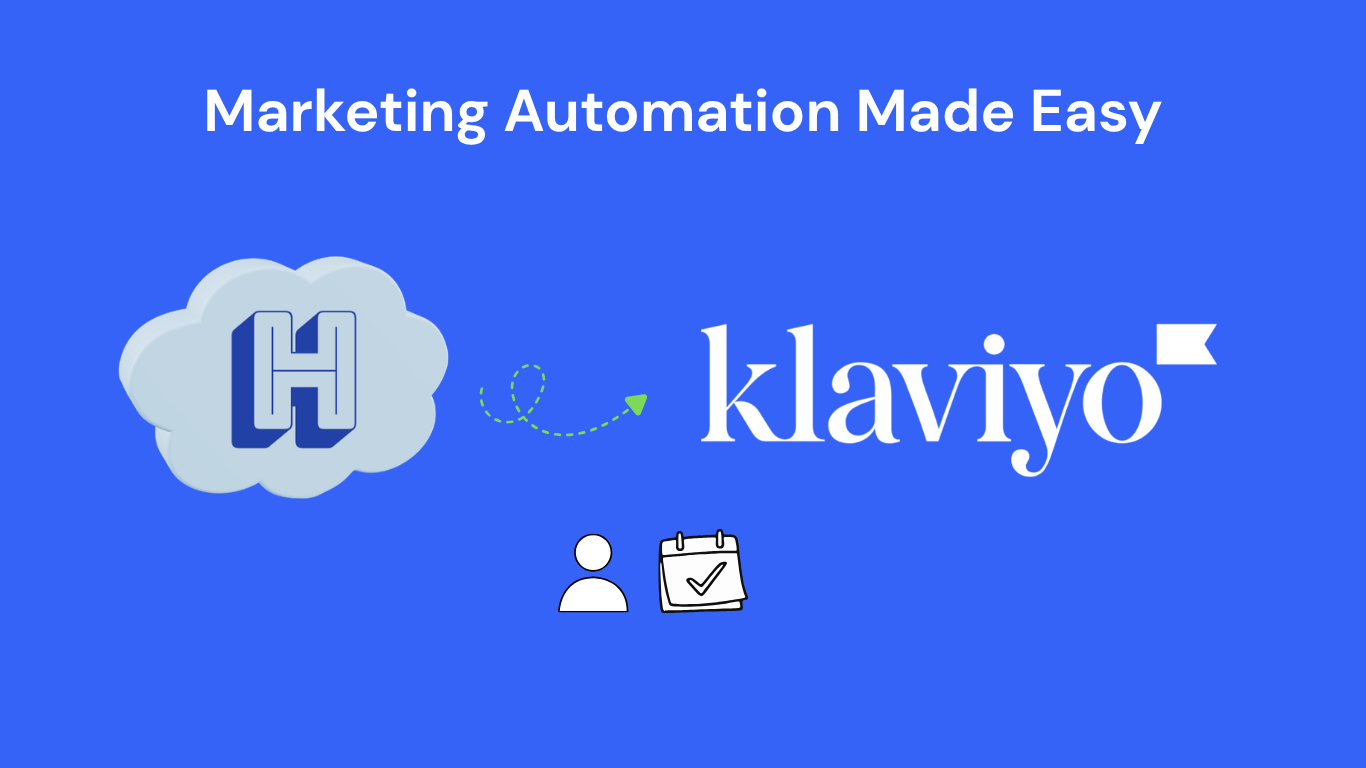
This is why Hotelia integrates directly with Klaviyo, a customer data and marketing platform purpose built for relationship driven businesses. Every guest who books through Hotelia, whether direct or through an OTA, flows into Klaviyo automatically. From there, a property can build segments, automate follow ups, run return campaigns, and treat guest data like the asset it actually is.
The data captures itself. The right tool puts it to work. The hotel team focuses on the experience.
The Mindset Shift
Guest data often gets filed under marketing. Something the marketing person will handle when there is time.
It belongs somewhere closer to operations. It is the foundation of the business.
A property that owns its guest list owns its future bookings. A property that does not is renting its own guests back from a platform every time they want to return.
The hotels that grow steadily over time are the ones that figured this out early and built the right systems to support it. No giant tech overhaul. Just consistent habits and a few smart tools doing quiet work in the background.
Frequently Asked Questions
Why does it matter who owns the guest email?
Whoever owns the email owns the relationship. If the OTA owns it, the property has to pay to reach the guest again. If the property owns it, return bookings cost nothing to generate.
What if a guest booked through an OTA? Can I still collect their email?
Yes. At check in, ask for the best email to send their confirmation and updates. Guests usually provide a real address. That email belongs to the property, not the OTA.
Do I need a CRM to manage guest data?
Yes. Guest data only becomes useful when it lives somewhere actionable. A CRM keeps history, preferences, and contact info ready to use across the whole team. Hotelia connects directly to Klaviyo, so guest data flows in automatically and is ready for segmentation, automation, and return campaigns from day one.
How often should I email past guests?
Less often than typical marketing advice suggests. A few times a year is plenty if the content is genuinely interesting. A short seasonal note, a return offer, a property update. Quality over frequency.
What kind of post stay follow up actually works?
A short, personal note from the property within a day or two of checkout. Thank the guest for staying. Mention something specific if possible. Invite them back. That is it. No survey form, no automation that feels automated.
The Bottom Line
The building can be renovated. The brand can be refreshed. The team can grow. None of that matters as much as the list of people who have already stayed and would happily return.
That list is the most valuable thing a hotel owns. Building it, keeping it, and using it well is how a property turns one good year into many.
The hotels that take this seriously stop competing on rate and start competing on relationship. In a digital era, that is the only game worth playing.
Hotelia helps independent and boutique hotels capture, own, and grow their guest data. Built so every booking, OTA or direct, ends with a relationship the property can actually use.
Thanks for reading The Hotelia Dispatch!
Subscribe to get new posts delivered to your inbox.
See Hotelia in Action
Hotelia is a modern booking engine and property management platform built specifically for independent hotels. Keep more of what you earn with 0% commission on direct bookings.